
Statement on Regional Political Empowerment
A Pathway to Transform Opposition Politics and National Development in Uganda
Uganda's political landscape remains entrenched in regional-ethnic identities, where historical grievances, patronage networks, and systemic exclusion drive voters to prioritize tribal solidarity over policy or accountability. Despite constitutional promises of decentralization, President Museveni's National Resistance Movement (NRM) has consolidated power, deepening regional divisions and perpetuating a cycle of inequitable development, corruption, and failed service delivery.
In this context, opposition forces face an uphill battle to dismantle the NRM's dominance, necessitating innovative strategies to mobilize Uganda's marginalized communities.
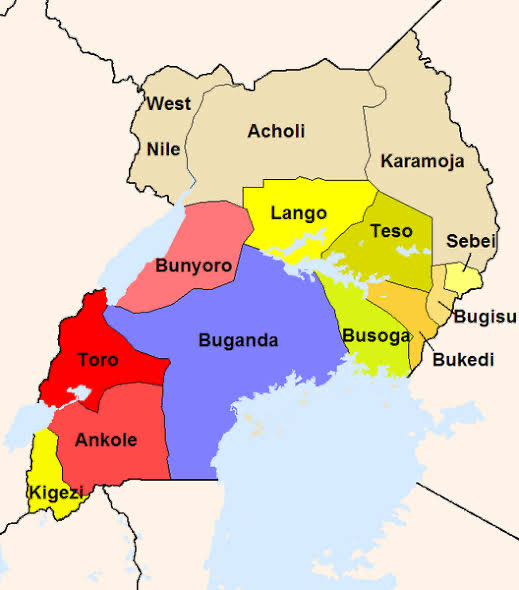
Uganda's Regional Map
Key Concepts of Regional Political Empowerment
Leveraging Localized Solidarity
The ERP advocates for leveraging localized solidarity—such as in Busoga, Buganda, and other historically marginalized regions—to build grassroots coalitions capable of challenging the NRM's centralized authority.
Strategic Ethnic Identity
This approach recognizes that ethnic identity, when strategically organized, can serve as a vehicle for political mobilization, amplifying demands for equitable resource distribution, accountability, and inclusive governance.
Opposition Alignment
Opposition parties like the National Unity Platform (NUP) stand to gain traction by aligning with platforms like the ERP, which prioritize addressing regional grievances while advocating for national unity.
Join the Movement for Change
Support the Eastern Revolutionary Platform's vision for a more equitable and democratic Uganda.